

Oral surgery
Extractions and other oral surgical procedures are planned around examination findings and the anatomy of the area. Whether a tooth can be retained, possible alternatives and recovery requirements are part of that decision.
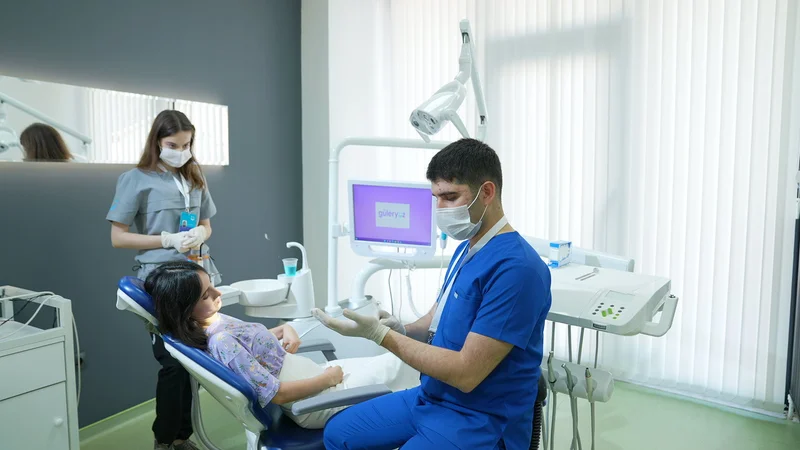
Before a procedure
Your dentist assesses the problem, tooth position and nearby structures. Share your medicines, allergies, medical conditions and previous treatment. Do not stop blood-thinning or other prescribed medicines yourself; any changes should be coordinated by the relevant clinicians.
Deciding about extraction
Not every painful tooth needs removal. Restorability, supporting tissues and other treatment options should be considered. Impacted or partly erupted teeth also require individual assessment rather than automatic removal. Referral to an appropriate specialist or institution may be needed in some cases.
Treatment and recovery
Appropriate anaesthesia is used for the planned procedure. Stitches or follow-up appointments may be required. Tenderness, swelling and eating advice depend on the extent of the procedure and the individual. A recovery timetable found online will not apply to every patient.
When to seek help
Persistent bleeding, increasing pain or swelling, fever and unexpected numbness should be assessed. Difficulty breathing or swallowing is an emergency; call 112 in Türkiye rather than waiting for a routine appointment. Follow your personal instructions alongside the relevant aftercare guide.
Aftercare & Recovery Information
Follow practical guidelines for eating, cleaning and symptom management after treatment.
Frequently Asked Questions
Have questions about oral surgery?
Schedule an examination with our team in İnegöl to discuss suitability, alternative approaches and personalised care.